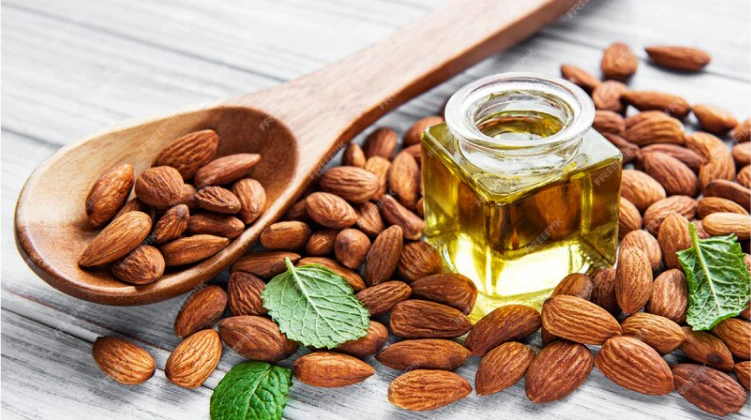








Cold-Pressed vs. Refined Oil – What’s the Difference?
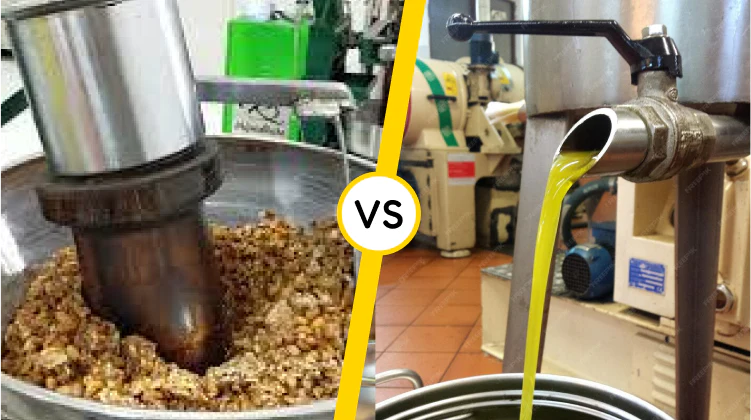
Cooking oil is a daily essential in every kitchen, but not all oils are created equal. Two common types you’ll often hear about are cold-pressed oil and refined oil. While both are used for cooking, they differ significantly in extraction method, nutritional value, taste, and health benefits. Understanding these differences can help you make a smarter and healthier choice for your family.
What is Cold-Pressed Oil?
Cold-pressed oil is extracted from seeds or nuts using a mechanical pressing method at low temperatures. This traditional process does not involve high heat or chemical solvents. Because the oil is not exposed to extreme heat, it retains its natural nutrients, antioxidants, aroma, and flavor.
Common examples include cold-pressed mustard oil, groundnut oil, coconut oil, and sesame oil.
Key Features of Cold-Pressed Oil:
- Extracted without chemicals
- Minimal processing
- Retains natural vitamins and antioxidants
- Strong natural aroma and flavor
- Considered a healthier option
What is Refined Oil?
Refined oil undergoes a more complex industrial process. It is extracted using high heat and sometimes chemical solvents to maximize yield. After extraction, the oil goes through refining, bleaching, and deodorizing to remove impurities, color, and odor.
This process gives refined oil a neutral taste and longer shelf life, making it widely used in commercial cooking.
Key Features of Refined Oil:
- Processed using high heat and chemicals
- Neutral taste and smell
- Longer shelf life
- Higher smoke point
- Lower natural nutrient content
Major Differences Between Cold-Pressed and Refined Oil
1. Extraction Process
Cold-pressed oil is mechanically pressed at low temperatures, while refined oil is extracted using heat and chemical processes.
2. Nutritional Value
Cold-pressed oil retains more natural nutrients like Vitamin E and antioxidants. Refined oil may lose many beneficial compounds during high-heat processing.
3. Taste and Aroma
Cold-pressed oils have a strong, natural flavor that reflects the seed or nut used. Refined oils are neutral in taste and smell.
4. Cooking Applications
Cold-pressed oils are best suited for low to medium heat cooking, sautéing, and traditional recipes. Refined oils have a higher smoke point, making them more suitable for deep frying and high-heat cooking.
5. Health Impact
Because cold-pressed oils are less processed, they are generally considered healthier. Refined oils, due to extensive processing, may have fewer natural health benefits.
Which One Should You Choose?
The choice depends on your cooking needs and health priorities:
- If you prefer natural, minimally processed, and nutrient-rich oil, cold-pressed oil is the better option.
- If you need oil for deep frying or high-temperature cooking with a neutral taste, refined oil may be more suitable.
For daily home cooking focused on health and nutrition, many people now prefer cold-pressed oils.
Final Thoughts
The difference between cold-pressed and refined oil goes beyond just taste. It’s about how the oil is processed, what nutrients it retains, and how it affects your health. While refined oils are widely available and affordable, cold-pressed oils offer a more natural and nutrient-rich alternative.
Choosing the right oil can make a meaningful difference in your overall diet and lifestyle. Always read labels carefully and select oils that align with your cooking habits and health goals.